Type 1 Diabetes and Strength Training: A Practical Guide
A strength routine with type 1 diabetes (T1D) involves planning beyond the workout itself. Starting a routine, progressing your lifts or preparing for competition can bring questions about glucose, food, equipment and recovery.
This guide helps you organize those questions and find more detailed articles on the parts that matter to you. It provides education to support conversations with your diabetes team, rather than personal insulin doses or guaranteed workout outcomes.
Jump to: Glucose and safety · Fueling · Recovery · Devices · Routine and competition · Focused guides
Glucose and safety during training
Steady cardio often lowers glucose, while intense efforts may raise it. Resistance training can also lower glucose. In a small study comparing resistance and aerobic exercise in people with T1D, glucose fell during both, with a larger initial fall during aerobic activity. That describes those sessions; it cannot predict your next workout.
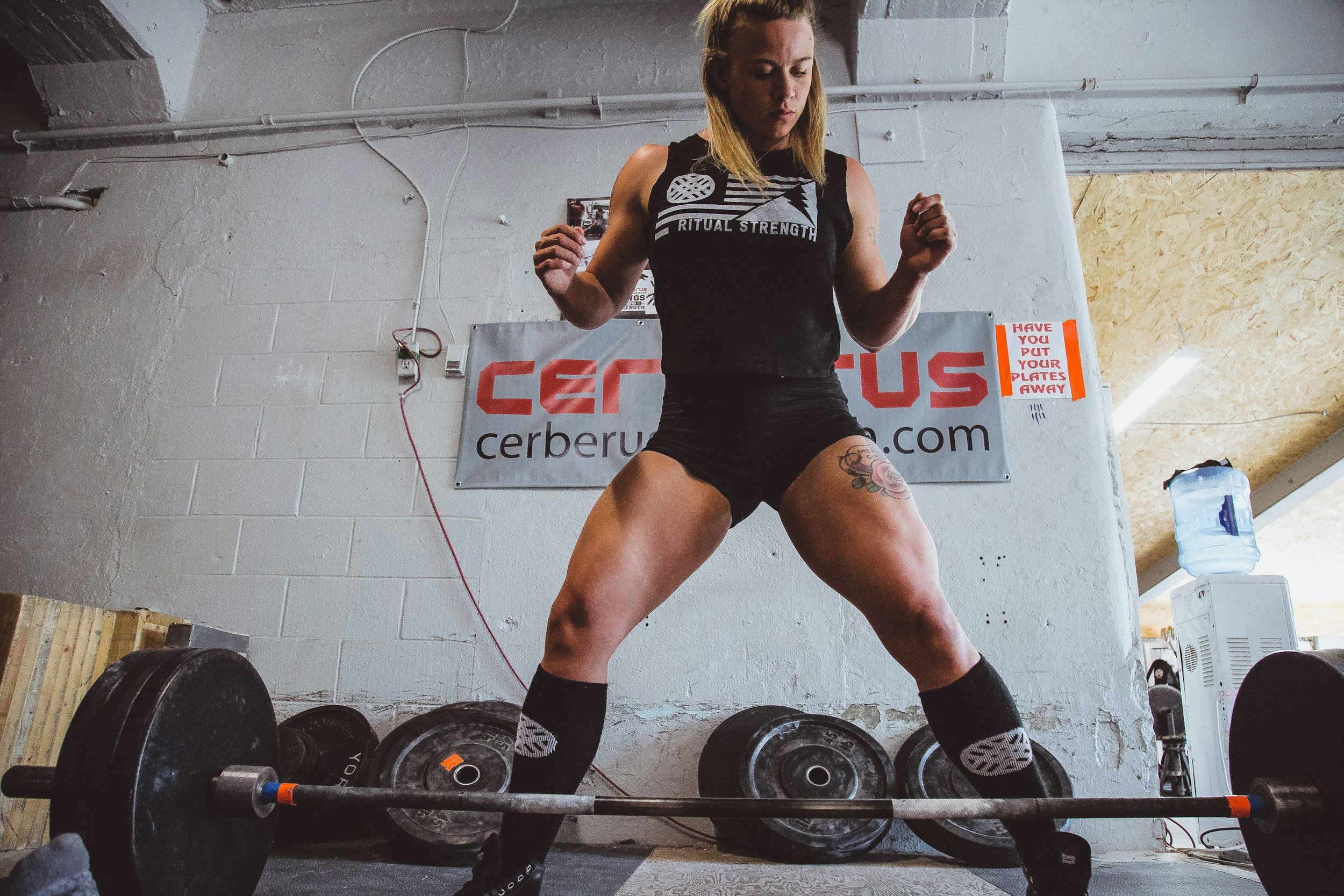
Working muscles use fuel while the liver helps supply glucose. Available insulin, recent food and the exercise demands affect the balance. One reading cannot tell you whether insulin has stopped working, how much glycogen remains or whether a later drop will occur. Consider the number alongside symptoms, direction and the surrounding circumstances.
Prepare a response plan before the session
Use the glucose and ketone thresholds agreed with your diabetes team when checking whether to start or continue:
- Check glucose and direction. Look at the value, trend and how you feel. Confirm unexpected sensor readings according to your device instructions. Do not delay needed low treatment while trying to explain a reading.
- Treat a low first. Below 70 mg/dL (3.9 mmol/L), pause and follow your treatment and recheck plan. Act promptly on low symptoms too. Resume only when your plan says it is safe. Severe confusion, seizure or inability to swallow safely requires emergency help. Do not give food or drink to someone unable to swallow safely; follow the prescribed emergency plan, including glucagon if available. The NIDDK low-glucose guidance explains treatment and rechecking.
- Assess an unexpected high. Check insulin delivery and ketones when your plan calls for it. Do not exercise with high glucose and ketones; follow your ketone or sick-day plan. You do not need to wait for a ketoacidosis diagnosis to pause. Cardio does not replace missing insulin. See the ADA's high-glucose guidance.
- Check illness and supplies. Postpone training if illness is disrupting glucose or hydration. Vomiting, abdominal pain, deep rapid breathing or inability to keep fluids down with suspected ketoacidosis needs urgent medical care. Keep monitoring, low-treatment and prescribed emergency supplies accessible. The CDC's DKA guidance describes warning signs.
A blanket rule such as “never train above 180” cannot replace an individualized plan. Ask for written steps covering usual sessions, delays and when to call for help. Do not stop basal insulin simply because you are eating less during illness. Follow your team's sick-day instructions; the CDC's sick-day guidance offers further background.
Nutrition planning for training
Start with when food is available. Morning lifting before work may need a different arrangement from a late session after work. Choose meals you enjoy and can prepare in everyday life, then adapt them to your training and diabetes needs.
Options might include oatmeal with milk or a suitable alternative and yogurt, toast with eggs and fruit, or rice with beans, tofu or chicken. These are starting ideas, not prescribed portions or a requirement to eat before every session.
Ordinary meals can support both fueling and recovery. Keep their role distinct from treating a low. Pack the fast-acting carbohydrate specified in your treatment plan alongside your training food; a mixed meal is not interchangeable with low treatment.
Plan for the whole day, including meal access, safe storage, water and the time between sessions. The joint sports nutrition position supports matching food and timing to the person and workload. It does not provide a T1D bolus formula.
Bring supplement labels and the serving you use to a nutrition discussion, including caffeine content. A pre-workout product is not necessary for a useful meal plan.
Recovery and overnight management
The glucose plan continues after training. Lows can occur hours later, including overnight. A high reading at the end does not rule out a subsequent drop. The ADA's exercise guidance discusses planning around exercise and delayed effects.
Know when you will eat, which supplies will be nearby and how you will respond to alerts. A bedtime snack may be part of an individual plan, but it does not guarantee protection from overnight lows. Ask your diabetes team about monitoring and any plan changes after demanding or late sessions.
Leave room in the training schedule for recovery. Note soreness and poor sleep without assuming either explains every glucose change. Repeated nighttime lows deserve review with your team rather than acceptance as an unavoidable part of lifting.
Device preparation for lifting
Sensors, pump bodies, infusion sites and pods have different placement requirements. Follow your equipment's instructions. Test belts, bench positions and clothing before lifting, checking for pressure, pulling or anything that could dislodge a device.
Automated insulin delivery systems also differ. Learn what the activity setting does and how your system handles active insulin and corrections. A higher exercise target is not automatically appropriate for an activity that usually raises glucose. If disconnection is planned, agree on insulin delivery while disconnected and reconnection afterward. These decisions depend on the system and circumstances. The EASD/ISPAD AID exercise statement explains these differences.
Keep a glucose meter and the backup supplies you need available. Ask your team about sensor failure, interrupted insulin delivery and unexpected training delays. Planning these responses beforehand makes them easier to carry out during a session.
Build a routine and prepare for competition
Choose a training plan you can repeat and progress at an appropriate pace. A coach can help with technique and programming, while your diabetes team helps with glucose management. Eye, nerve, foot or cardiovascular complications may require changes to activity or intensity. The ADA guidance on individual assessment and progression addresses this context.
For competition, map travel, warmups, waiting periods, food access and who can help. Practice the practical routine during ordinary training. Insulin changes need the plan agreed with your diabetes team. Avoid introducing a new supplement or insulin strategy at the event. A trusted partner should know where emergency supplies are and how to follow your emergency plan.
Information to bring to an appointment
For a few typical sessions, note:
- Training: Start time, exercises, sets, repetitions, rest periods and conditioning.
- Context: Recent food, caffeine, insulin timing and device settings used.
- Glucose: Before, during, afterward and overnight when relevant.
- Symptoms and treatment: What you felt and any low treatment or other response.
- Changes: Illness, poor sleep, schedule delays or device problems.
- Question: The one pattern you most want help understanding.
The aim is a useful conversation, not perfect data collection. Keep medical records in your secure care channel rather than public comments or informal messages.
Support with food and training
Need help making food practical around your routine? Contact Enigma Nutrition about an appointment. Bring your training plan, goals and questions. Personal insulin changes belong in the plan agreed with your prescribing diabetes team.
Find the guide for your question
Each guide covers one part of training with T1D. Choose the question closest to what you are working on.
Understand glucose and training
- Cardio vs. Strength Training: Type 1 Diabetes Glucose Patterns
- Why Blood Sugar May Rise During Heavy Lifting
- Glycogen and Blood Sugar During Strength Training
- Morning Lifting and Type 1 Diabetes
- Strength Training and Insulin Sensitivity in Type 1 Diabetes
- Fasted Lifting With Type 1 Diabetes: What to Consider
Plan meals and fueling
- Flexible Fueling for Strength Training With Type 1 Diabetes
- What to Eat Before Lifting With Type 1 Diabetes
- Carbohydrates After Lifting With Type 1 Diabetes
- Whey Protein and Type 1 Diabetes After Exercise
- Caffeine, Pre-Workout Supplements and Type 1 Diabetes
- Fueling a Long Strength Competition With Type 1 Diabetes
Recover and prepare for the night
- Muscle Soreness and Blood Sugar: What We Know
- Sleep and Recovery With Type 1 Diabetes
- Delayed Low Blood Sugar After Lifting
Use devices and insulin plans
- Insulin Pumps and Exercise: When Disconnection Needs a Plan
- CGM Compression Lows During Lifting
- Lifting Belts, Insulin Pumps and Infusion Sites
- After-Lifting Highs: Pause Before an Extra Correction
- High Blood Sugar Before Lifting: What to Check
- Insulin on Board Before Strength Training
- Exercise Settings and Insulin Pumps: Questions to Ask
- Insulin Injection Sites and Exercise
- Reading Your CGM During Exercise
